How to Choose a Stairlift: A Practical Guide
For many people, using the stairs can become more difficult over time. Reduced mobility, balance problems, joint pain or recovery from an injury can all make getting up and down the stairs feel challenging.
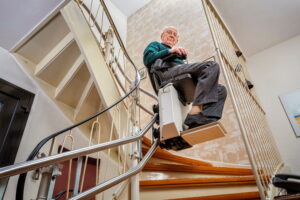
A stairlift can provide a practical way to make your home more accessible, helping you move between floors without having to tackle the stairs independently.
However, with different stairlift types, features and installation options available, knowing how to choose a stairlift can feel overwhelming. This guide explains the key things to consider before making your decision.
What Is a Stairlift?
A stairlift is a motorised chair that travels along a rail fitted to your staircase. The user sits on the chair and operates the controls to move safely between floors.
Stairlifts are designed for people who have difficulty using stairs but want to continue living independently in their own home.
There are different types available, so the right option will depend on your staircase, mobility needs and how you intend to use the stairlift.

Consider the Type of Staircase You Have
One of the first things to consider when choosing a stairlift is the shape and layout of your staircase.
Straight Stairlifts
Straight stairlifts are designed for staircases that run in a single, uninterrupted direction without bends, curves or intermediate landings.
They are generally simpler to install than curved models because the rail follows a straight line.
If you have a standard straight staircase, this could be a suitable option to explore.

Curved Stairlifts
Curved stairlifts are designed for staircases that include bends, curves, corners or changes in direction.
The rail is manufactured to follow the shape of your individual staircase, allowing the stairlift to travel around corners and between different sections of stairs.
Because every staircase is different, curved stairlifts are generally more bespoke than straight models.

Narrow Staircases
If your staircase is particularly narrow, it’s important to consider the available space before choosing a stairlift.
A suitable model should allow the user to travel comfortably while minimising obstruction on the stairs. Folding seats, arms and footrests can help reduce the amount of space the stairlift occupies when it isn’t being used.
A professional assessment can help determine which options are suitable for your staircase.
Think About Your Mobility Needs
Your own comfort and mobility should be at the centre of your decision.
Consider how you currently use your stairs and what you find difficult. For example, do you struggle with standing for long periods, bending your knees or getting in and out of a chair?
Different stairlifts offer different seat designs, controls and support features. Choosing a model that feels comfortable and easy to operate can make a significant difference to your experience.
Think about:
- How easily you can sit down and stand up
- Whether you need additional support from armrests
- How easily you can operate the controls
- Whether you need a swivel seat to make getting on and off easier
- Whether you need additional weight capacity
- Whether you need the stairlift to accommodate a particular posture or mobility requirement
If you’re unsure what you need, professional advice can help you identify the most appropriate options.
Look at the Available Features
Modern stairlifts can include a range of features designed to improve comfort, convenience and ease of use.
Some features to consider include:
Swivel Seats
A swivel seat can make getting on and off the stairlift easier by allowing you to turn the seat towards the landing rather than stepping directly off the stairs.
Folding Components
Seats, arms and footrests can often be folded away when the stairlift isn’t in use. This can be particularly useful on narrower staircases where other people need to use the stairs.
Easy-to-Use Controls
The controls should be straightforward and positioned somewhere that is comfortable for you to reach.
Some stairlifts also offer controls on both the chair and at the top or bottom of the stairs, making it easier to call the stairlift when it is on another floor.
Safety Features
Safety should always be a priority. Depending on the model, stairlifts can include features such as seatbelts, sensors that detect obstacles and automatic braking systems.
Make sure you understand the safety features included with the stairlift you’re considering.
Consider the Stairlift’s Weight Capacity
Stairlifts are designed to support different maximum user weights, so it’s important to check the manufacturer’s specifications before choosing a model.
Don’t simply choose a stairlift based on appearance or price. The stairlift needs to be appropriate for the user’s weight and provide enough space to sit comfortably.
If you have any concerns about weight capacity or whether a particular model is suitable for you, speak to a stairlift supplier before purchasing.
Do You Need a Permanent or Temporary Solution?
It’s also worth thinking about how long you expect to need the stairlift.
Some people require additional support permanently, while others may need a stairlift temporarily while recovering from an operation, illness or injury.
If your circumstances are likely to change, ask the supplier about the options available to you, including whether a rental or reconditioned stairlift could be appropriate.

Don’t Forget About Installation
A stairlift isn’t simply a product that you can choose based on a specification sheet. It needs to be correctly installed on your staircase.
A professional assessment can identify the most suitable stairlift for your home and determine how it can be installed.
During an assessment, the installer can consider factors such as:
- The shape and dimensions of your staircase
- Available space at the top and bottom
- The position of doors and landings
- Your mobility requirements
- Where the stairlift will be parked
- Whether any additional adaptations are required
This can help ensure the stairlift is safe, comfortable and practical to use.
Think About the Cost
The price of a stairlift can vary depending on the type, features and installation requirements.
Straight stairlifts are typically less complex than curved stairlifts, while bespoke installations can cost more depending on the staircase.
When comparing prices, look beyond the initial purchase price. Consider whether the quote includes:
- Installation
- A warranty
- Servicing or maintenance
- Aftercare and technical support
- Removal if the stairlift is no longer required
A cheaper option isn’t necessarily the best choice if it doesn’t provide the support and aftercare you need.
Ask About Maintenance and Aftercare
Like any mechanical equipment, stairlifts may require servicing and maintenance to keep them operating correctly.
Before purchasing, ask the supplier what support they provide after installation. Find out how repairs are handled, whether servicing is available and what is included within the warranty.
Reliable aftercare can provide additional reassurance, particularly if the stairlift is an important part of your ability to move around your home.
Can a Stairlift Help You Stay Independent?
For many people, a stairlift can make a significant difference to everyday life. Rather than avoiding an upstairs bedroom, bathroom or other important part of the home, a stairlift can provide an easier way to move between floors.
It can also provide peace of mind for family members and carers who may be concerned about someone struggling with the stairs.
However, a stairlift isn’t necessarily the right solution for everyone. Depending on your circumstances, other mobility aids or home adaptations may be more appropriate.
Choosing the Right Stairlift for Your Home
The best stairlift is one that suits both your staircase and your individual needs.
Before making a decision, consider the shape of your staircase, your mobility requirements, the features that would make everyday use easier, the stairlift’s weight capacity and the installation and aftercare available.
Most importantly, don’t feel that you have to make the decision alone. A professional assessment can help you understand which options are suitable for your home and provide advice based on your individual circumstances.
Need Help Choosing a Stairlift?
At Comfort Homecare, we provide a range of mobility solutions designed to help people remain comfortable and independent in their own homes. If you’re considering a stairlift, our team can help you explore your options and find a solution suited to your needs.
Contact Comfort Homecare today to discuss your requirements and find out more about the mobility solutions available.