10 Everyday Tasks That Become Easier With Daily Living Aids
Everyday activities that once felt effortless can become more challenging due to age, illness, injury or reduced mobility. Something as simple as making a cup of tea, picking up a dropped item or taking medication on time can quickly become frustrating.
The good news is that there are many aids for everyday tasks designed to make daily life easier, safer and more comfortable. These simple products can help people maintain their independence, reduce the risk of accidents and continue enjoying life at home with greater confidence.
Below are some of the most common daily challenges and the equipment that can help.
1. Remembering to Take Medication
Missing medication or taking the wrong dose can have serious health consequences, particularly for those managing multiple prescriptions.
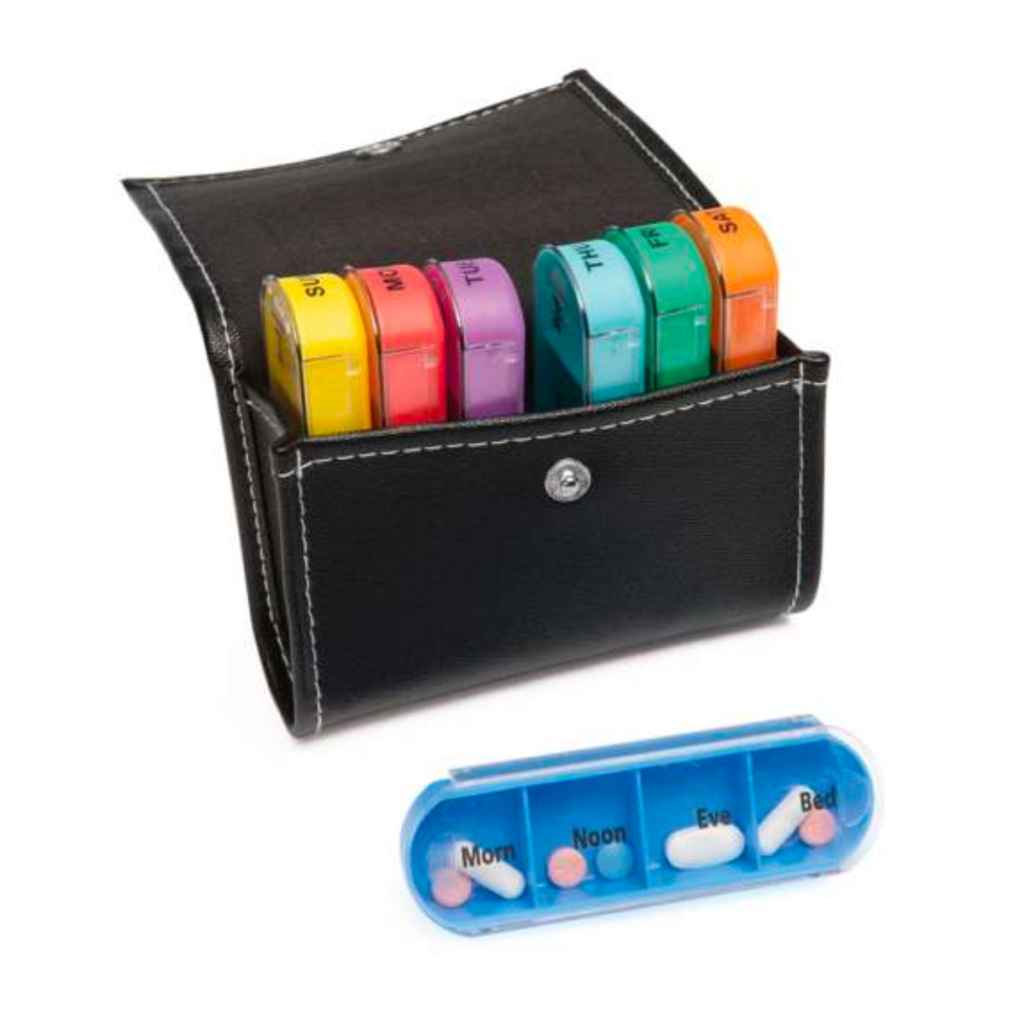
A pill organiser helps keep medication organised by day and time, making it much easier to stay on schedule. Many organisers include separate compartments for morning, afternoon and evening doses, reducing confusion and giving family members peace of mind.
Benefits:
- Helps prevent missed doses
- Makes medication routines simpler
- Ideal for multiple daily medications
2. Reaching Items on High or Low Shelves
Stretching to reach high cupboards or bending to pick something up from the floor can increase the risk of falls and strains.
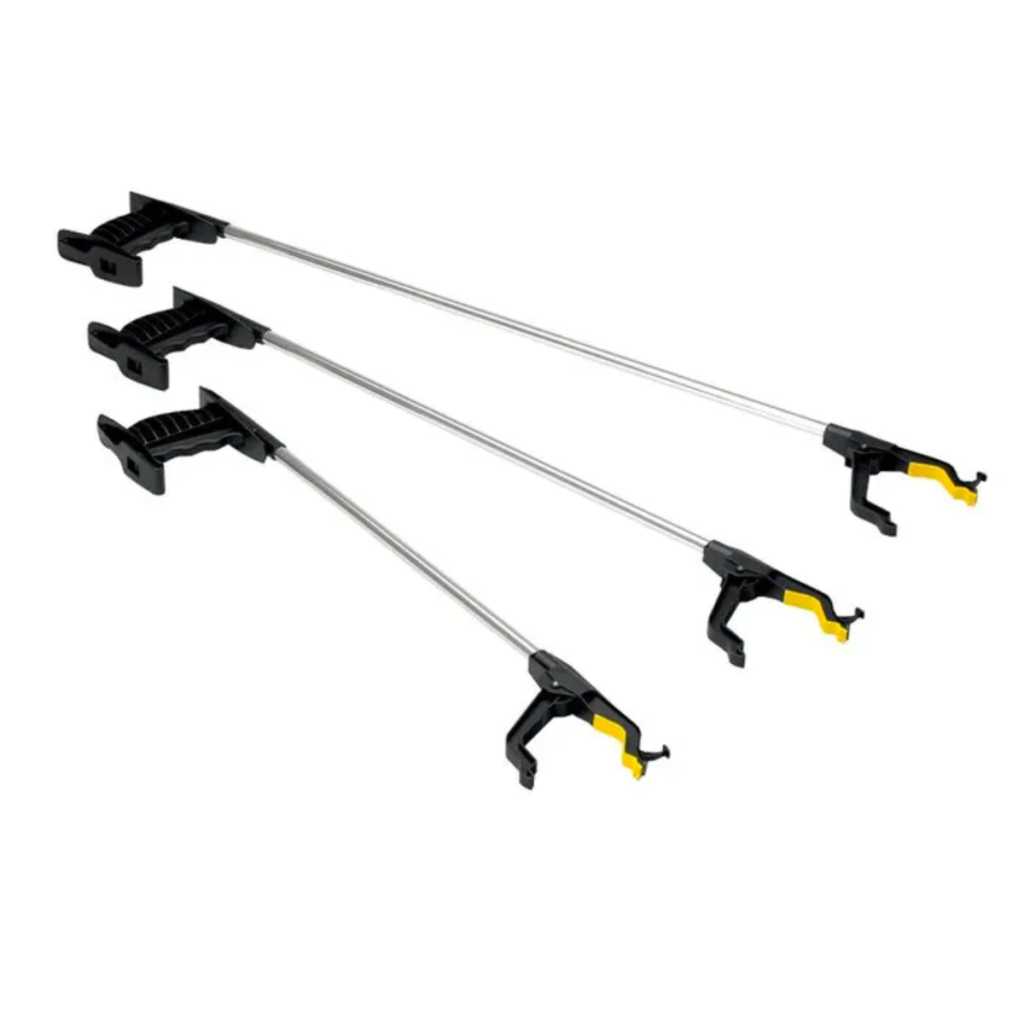
A grabber or reacher allows users to safely retrieve objects without overreaching or bending. They’re lightweight, easy to use and particularly useful around the kitchen, bedroom and garden.
Ideal for reaching:
- Kitchen cupboards
- Wardrobes
- Dropped keys or remote controls
- Laundry
These are among the most practical mobility aids for home because they help reduce unnecessary movement and improve safety.
3. Eating and Drinking Comfortably
Reduced grip strength, arthritis or tremors can make mealtimes more difficult.
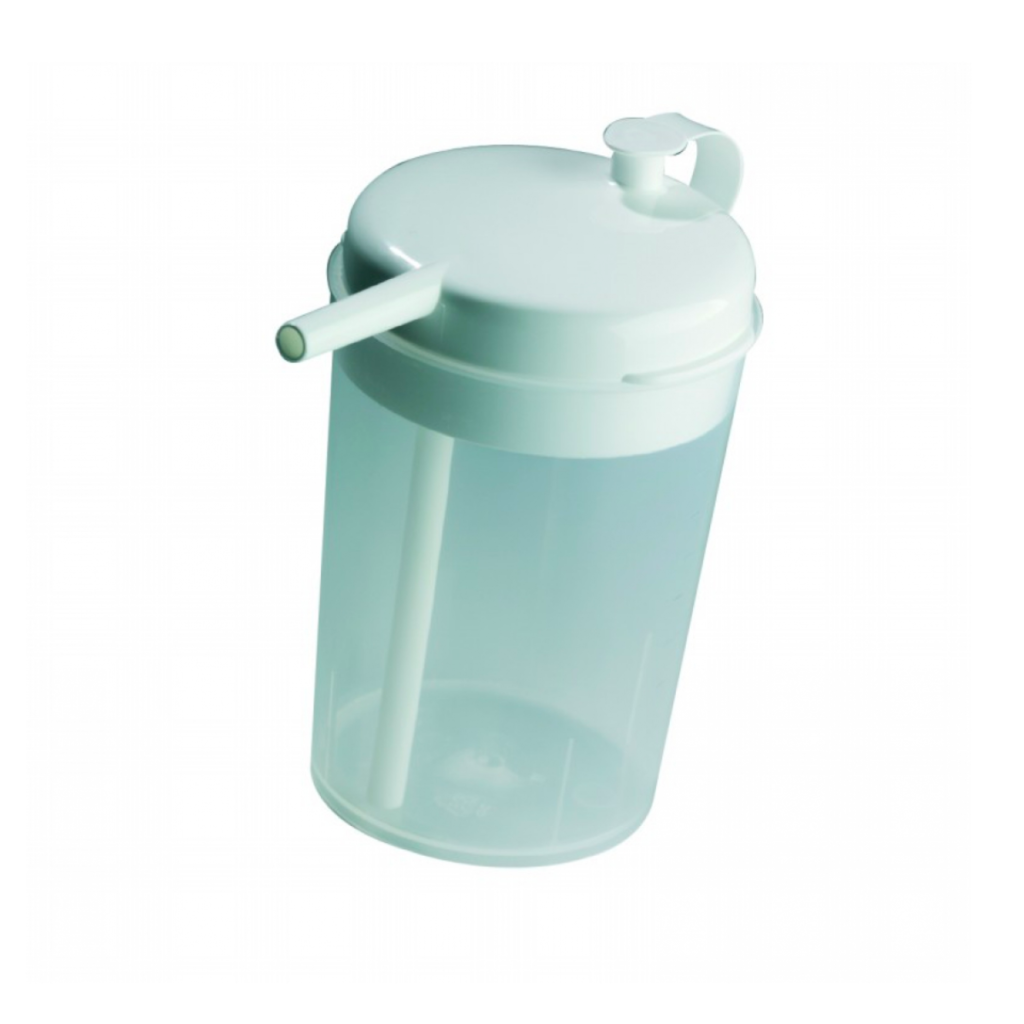
Specially designed cups with ergonomic handles, non-slip plate guards and adapted cutlery can make eating and drinking much easier. These products help users maintain their independence while reducing spills and frustration.
Helpful equipment includes:
- Easy-grip cups
- Two-handled mugs
- Plate guards
- Non-slip mats
- Adapted cutlery
Small changes like these can make mealtimes more enjoyable and less stressful.
4. Boiling Water Safely
Lifting a heavy kettle filled with boiling water can be dangerous for anyone with reduced strength or limited mobility.
A kettle tipper allows the kettle to stay in place while it is gently tipped to pour hot water, removing the need to lift it.
Benefits include:
- Reduces the risk of burns
- Requires less strength
- Makes preparing hot drinks much safer
For many people, this simple piece of independent living equipment makes a noticeable difference to everyday confidence in the kitchen.
5. Standing Up from Chairs
Getting up from low sofas or chairs can become increasingly difficult with age or following surgery.
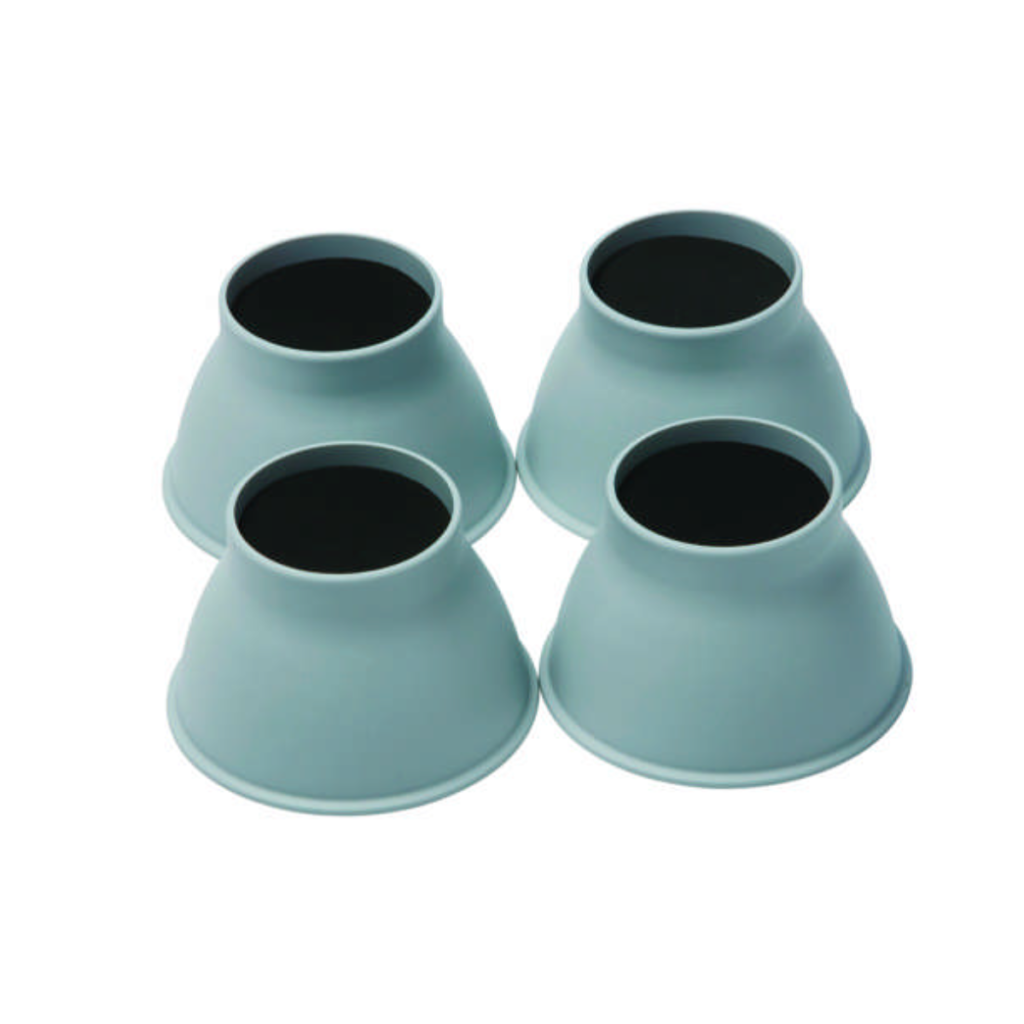
Furniture raisers increase the height of chairs, sofas and beds, making it easier to sit down and stand up without putting excessive strain on the knees or hips.
Furniture raisers can:
- Improve comfort
- Reduce joint strain
- Lower the risk of falls
- Support greater independence
They are particularly useful alongside other mobility aids for home for people recovering from operations or managing long-term mobility conditions.
6. Opening Jars and Bottles
Tight lids can be frustrating for anyone with arthritis or weakened grip strength.
Jar openers, bottle openers and multi-purpose grip tools reduce the effort needed to open containers safely, helping people stay independent in the kitchen.
7. Getting Dressed
Fastening buttons, pulling on socks or tying shoelaces can become challenging.
Simple dressing aids such as:
- Sock aids
- Button hooks
- Long-handled shoe horns
- Zip pullers
can make getting ready each morning quicker and less tiring.
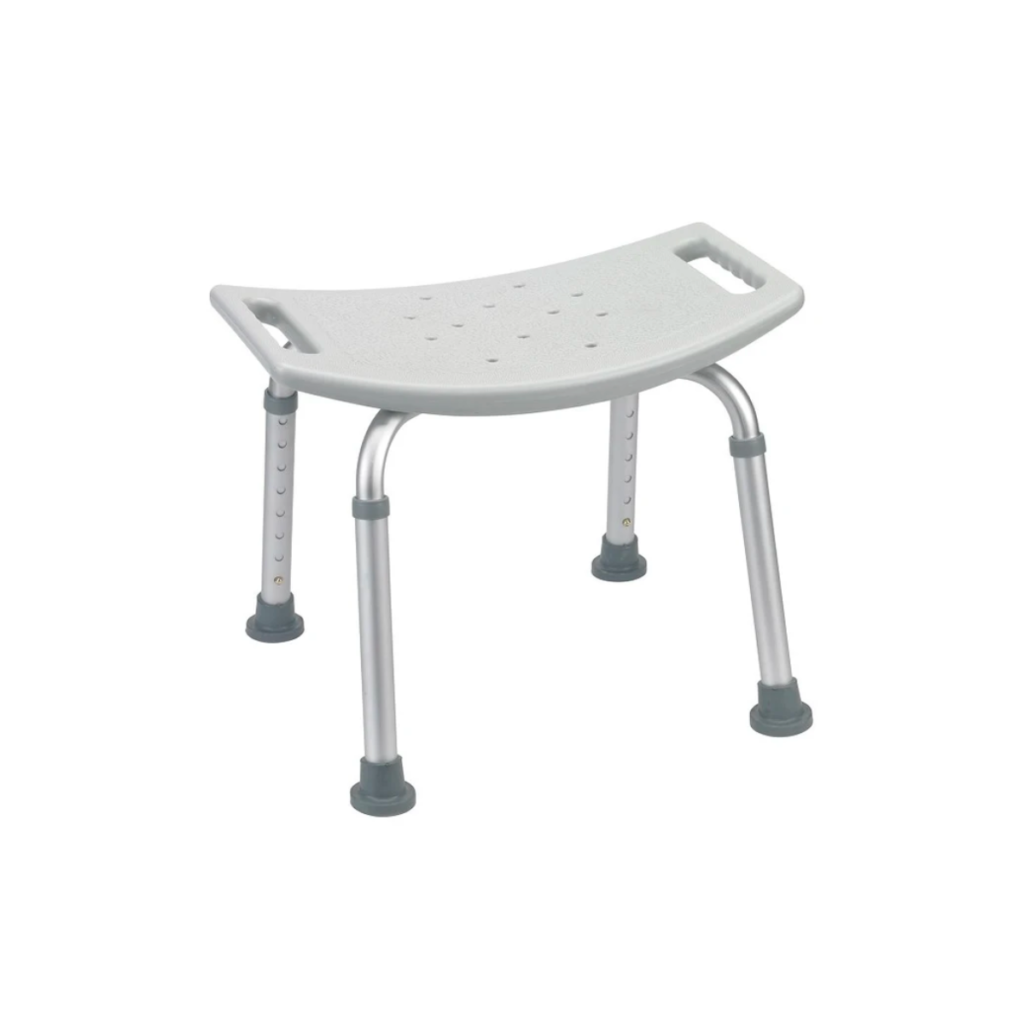
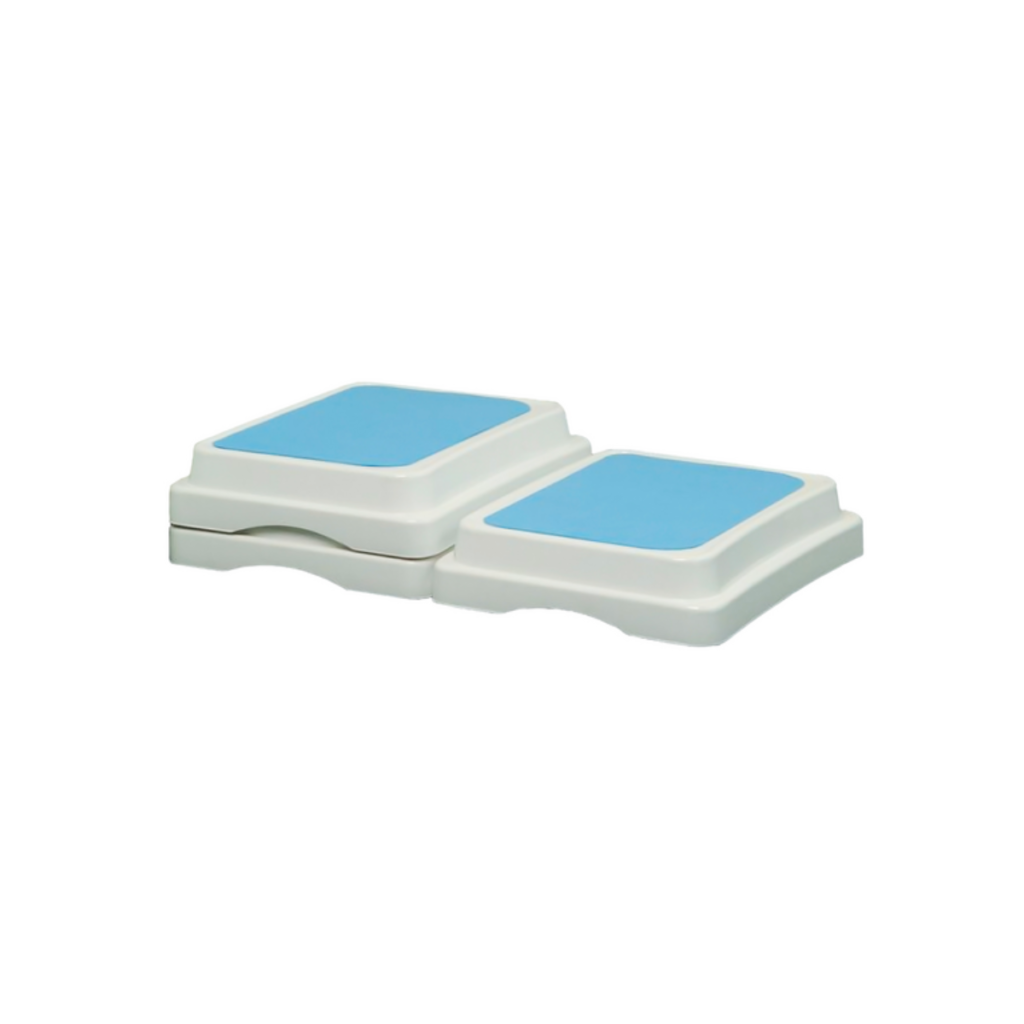
8. Bathing and Personal Care
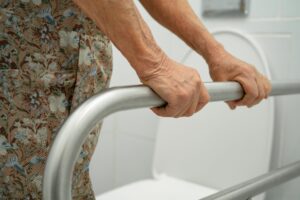
Bathrooms can present one of the highest risks for slips and falls.
Helpful equipment includes:
- Grab rails
- Shower chairs
- Bath boards
- Non-slip bath mats
- Long-handled sponges
These products improve safety while allowing people to maintain privacy and independence.
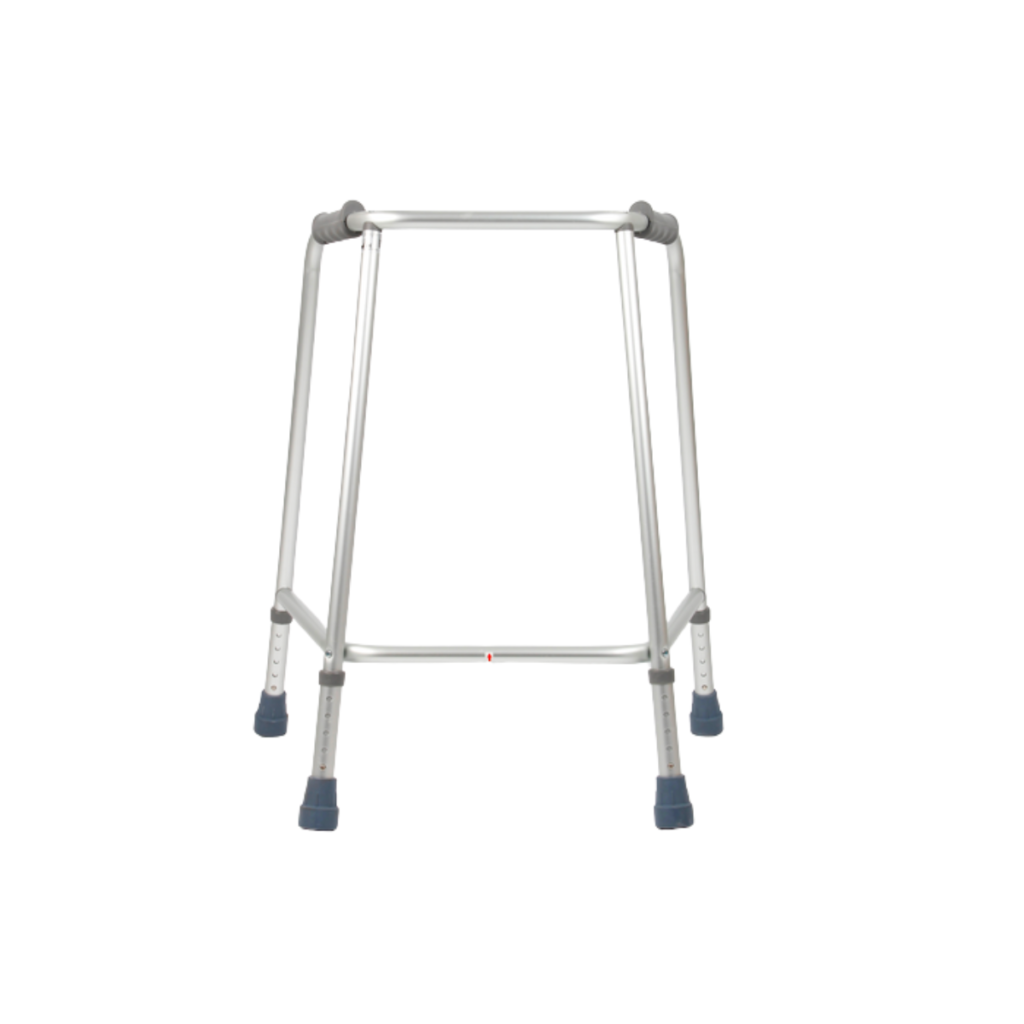
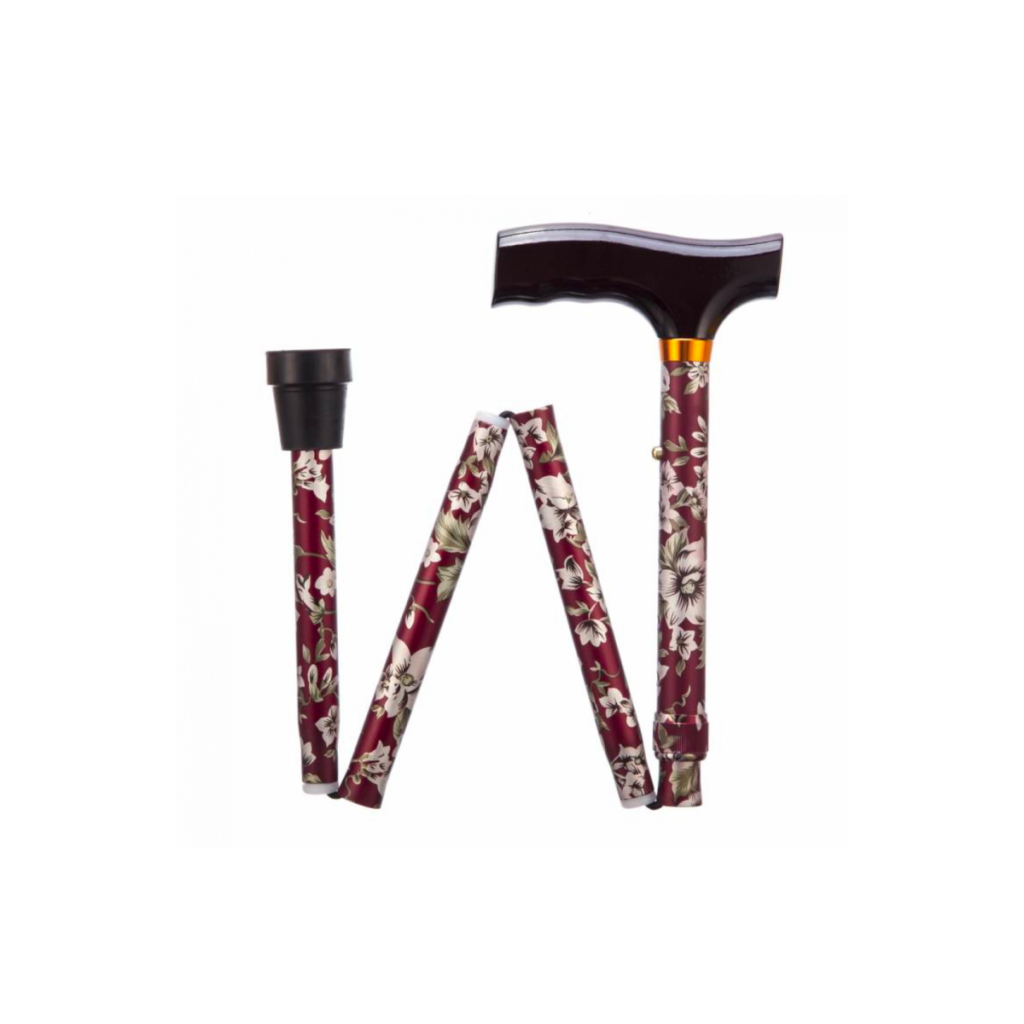
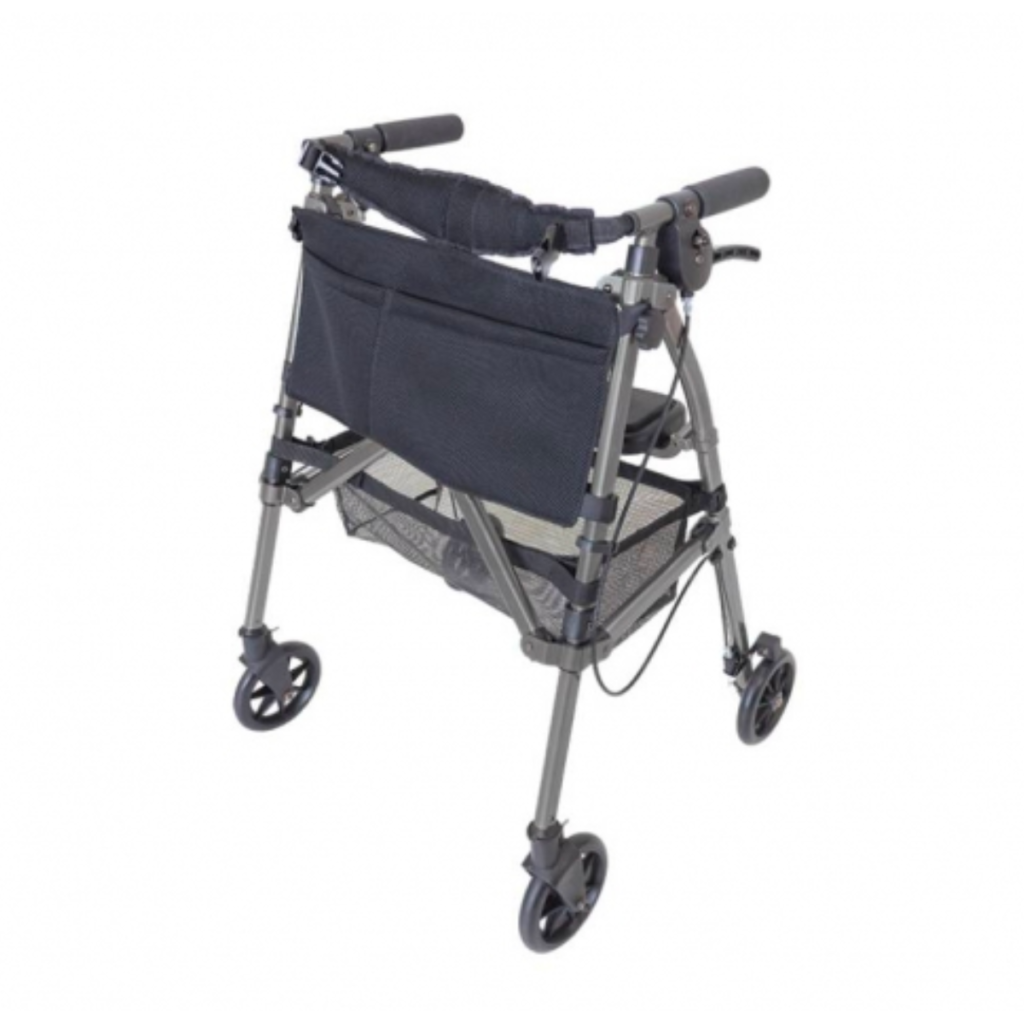
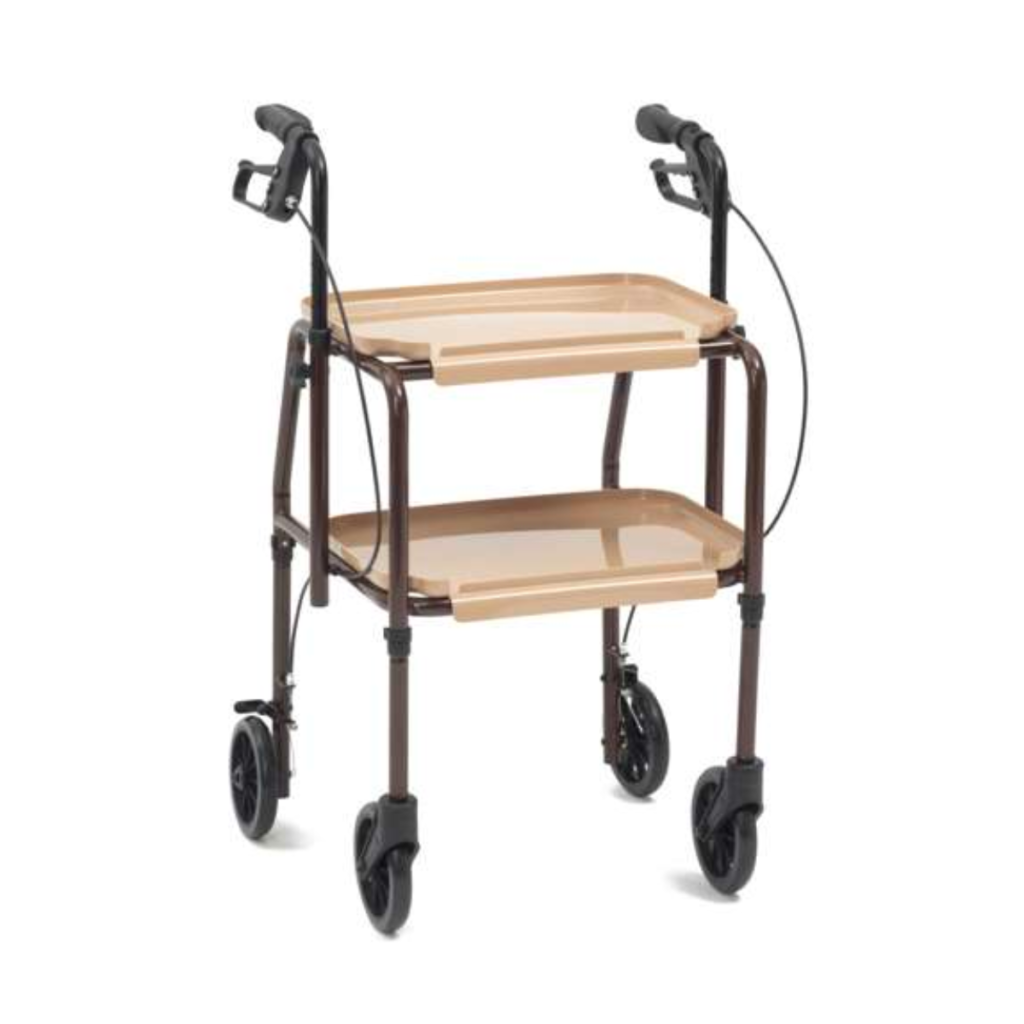
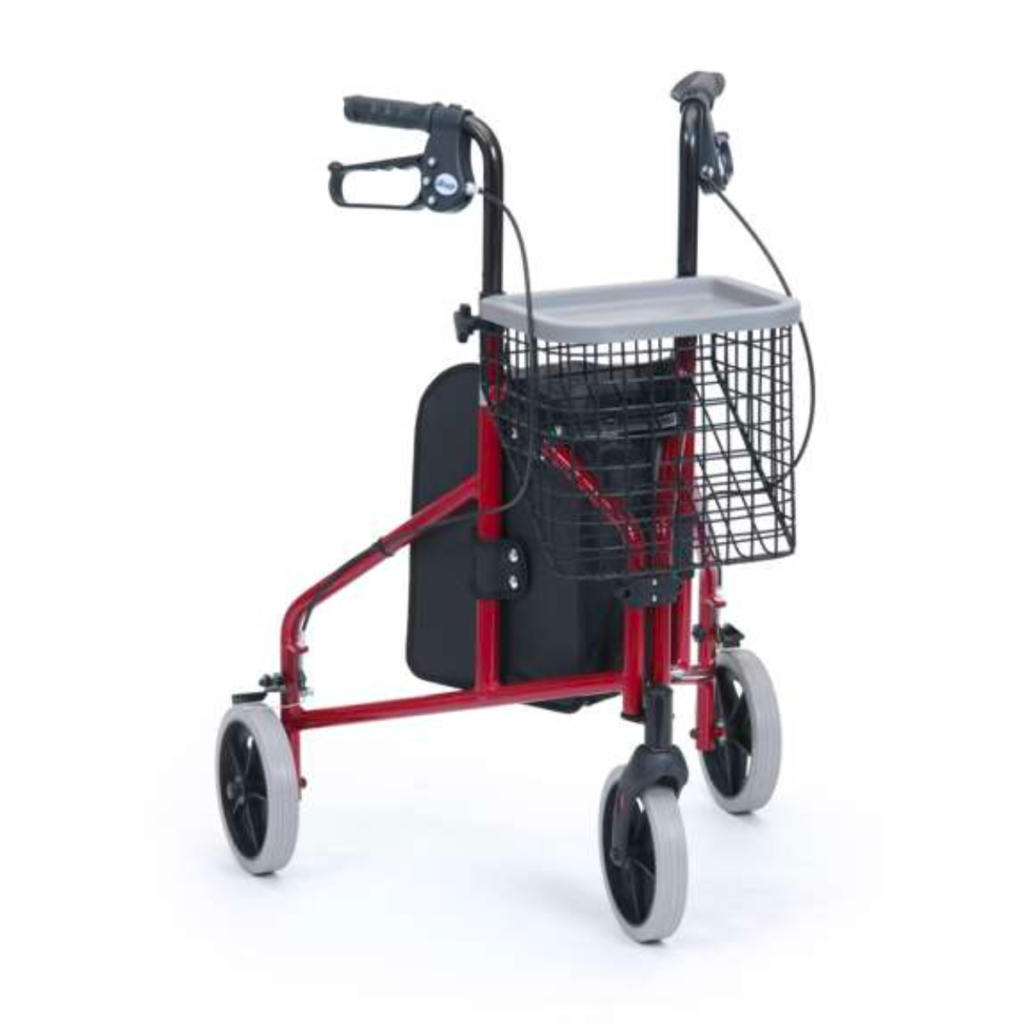
9. Moving Around the Home
Even walking short distances indoors may become tiring or uncomfortable.
Depending on individual needs, suitable mobility products include:
- Walking sticks
- Walking frames
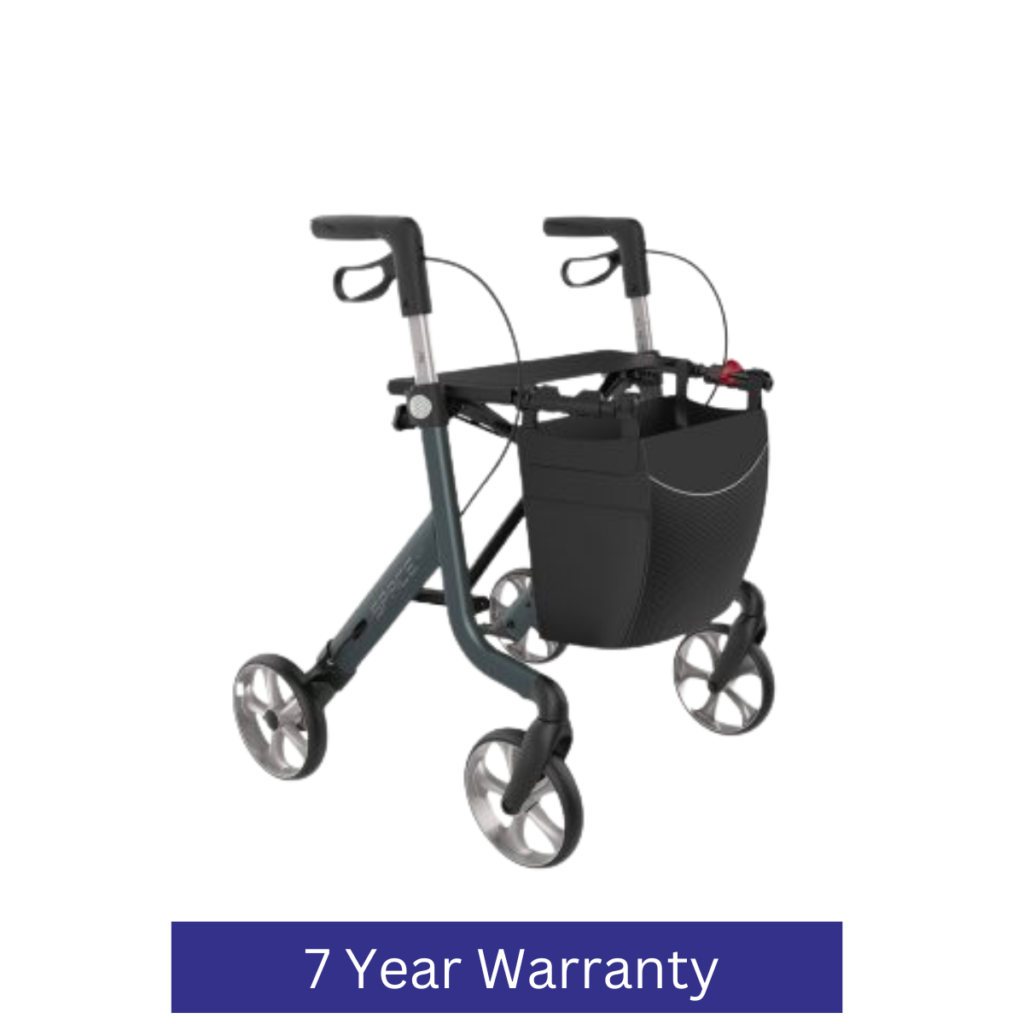
- Rollators
- Indoor trolleys
Choosing the right mobility aids for home can improve confidence and reduce the likelihood of falls.
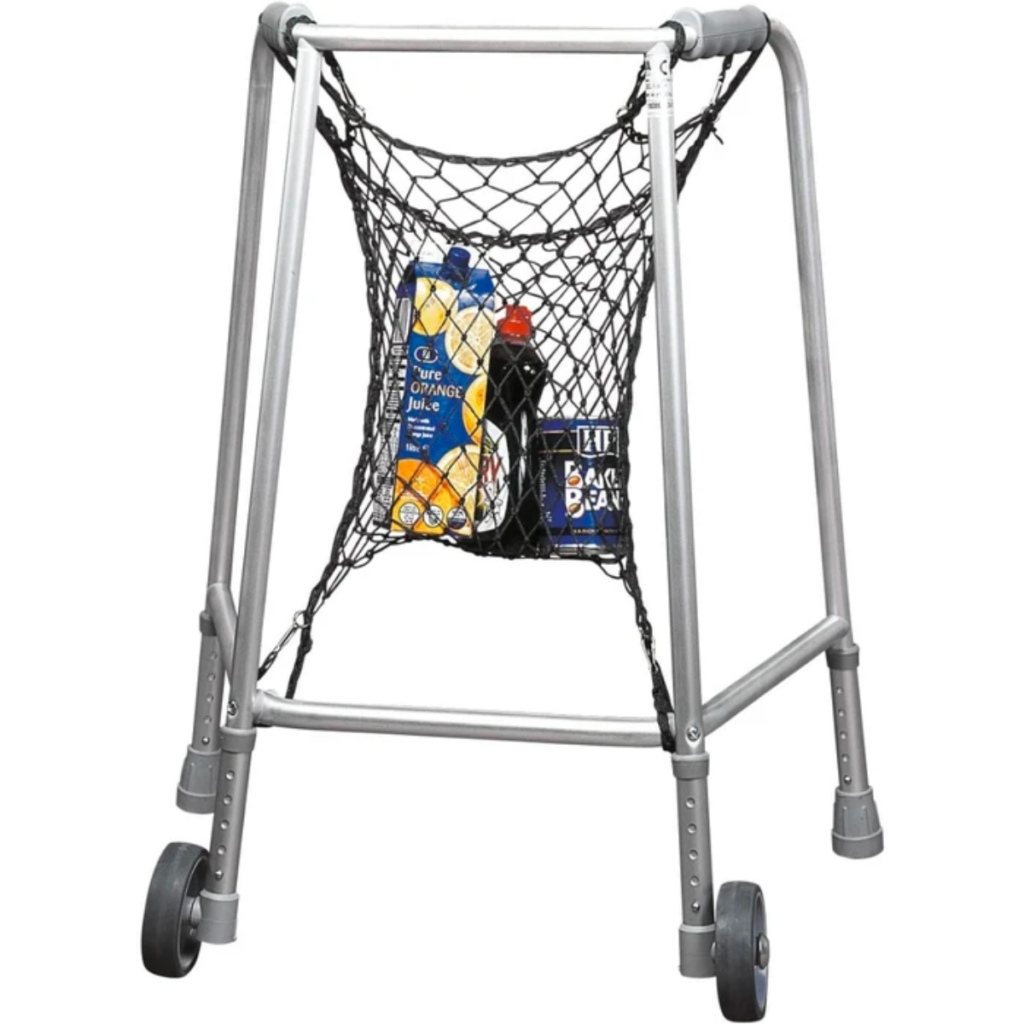
10. Carrying Everyday Items
Carrying shopping, laundry or drinks while using a walking aid can be awkward and potentially unsafe.
Practical accessories such as:
- Walking frame trays
- Rollator baskets
- Storage bags
- Utility trolleys
allow people to move items safely without compromising their balance.
How Daily Living Aids Support Independent Living
The right equipment doesn’t just make tasks easier—it helps people maintain control over their daily routine.
Using independent living equipment can:
- Reduce the risk of slips and falls
- Improve confidence at home
- Reduce physical strain
- Support recovery after illness or surgery
- Help people remain independent for longer
- Make everyday activities safer and more comfortable
Many people find that introducing just one or two aids for everyday tasks can have a significant impact on their quality of life.
Choosing the Right Daily Living Aids
Everyone’s needs are different, so it’s important to choose equipment that matches individual abilities and lifestyle.
When selecting products, consider:
- The user’s mobility and strength
- Which daily tasks are most challenging
- Ease of use
- Safety features
- Whether professional advice may be beneficial
Starting with small improvements often leads to greater confidence and independence over time.
Helping Everyday Life Feel More Manageable
Daily living aids are designed to remove unnecessary challenges from everyday routines. Whether it’s using a pill organiser to stay on top of medication, a kettle tipper for safer hot drinks or a reacher to avoid unnecessary bending, these practical solutions can make a meaningful difference.
At Comfort Homecare, we understand that maintaining independence is important at every stage of life. The right support and equipment can help make everyday tasks easier, allowing people to continue living safely and comfortably in their own homes.