What Is a Rollator? Everything You Need to Know Before Buying One

If you’ve recently started looking for mobility aids, you’ve probably come across the term rollator. But what exactly is a rollator, and how do you know if it’s the right choice for you or a loved one?

Rollators are one of the most popular mobility aids available today, helping thousands of people maintain their independence, confidence, and freedom of movement. Whether you’re recovering from surgery, managing a long-term condition, or simply looking for extra support while walking, understanding how rollators work can help you make an informed decision before buying one.

In this guide, we’ll explain what a rollator is, how it differs from other walking aids, its key benefits, and the most important factors to consider before making a purchase.

What Is a Rollator?

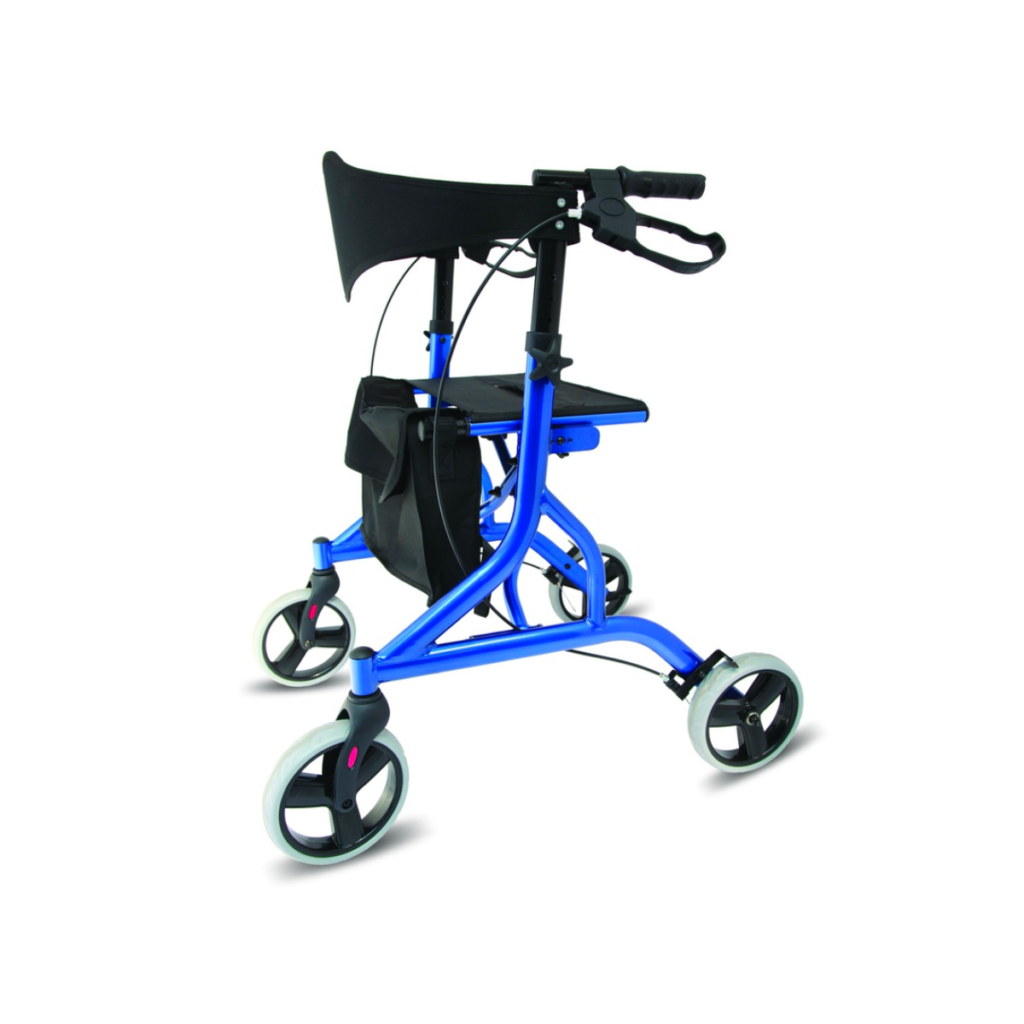
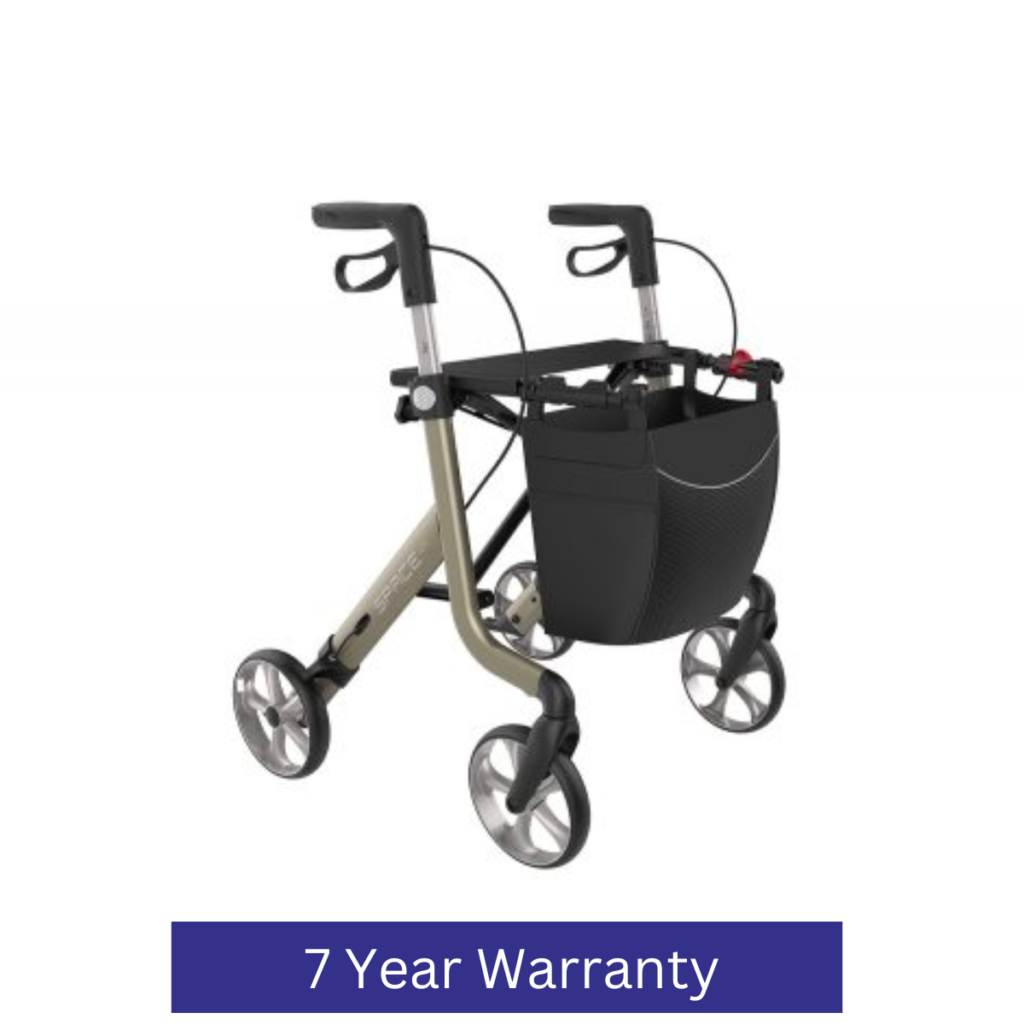
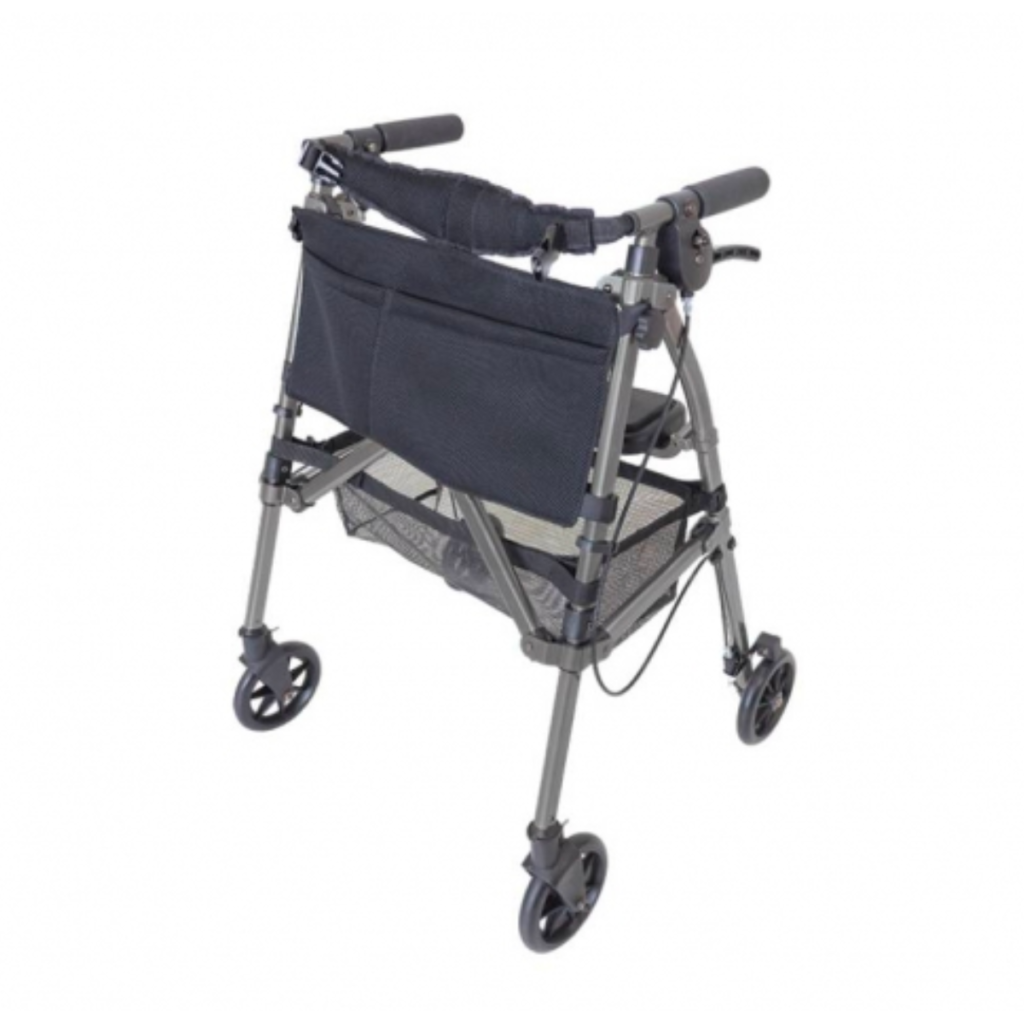
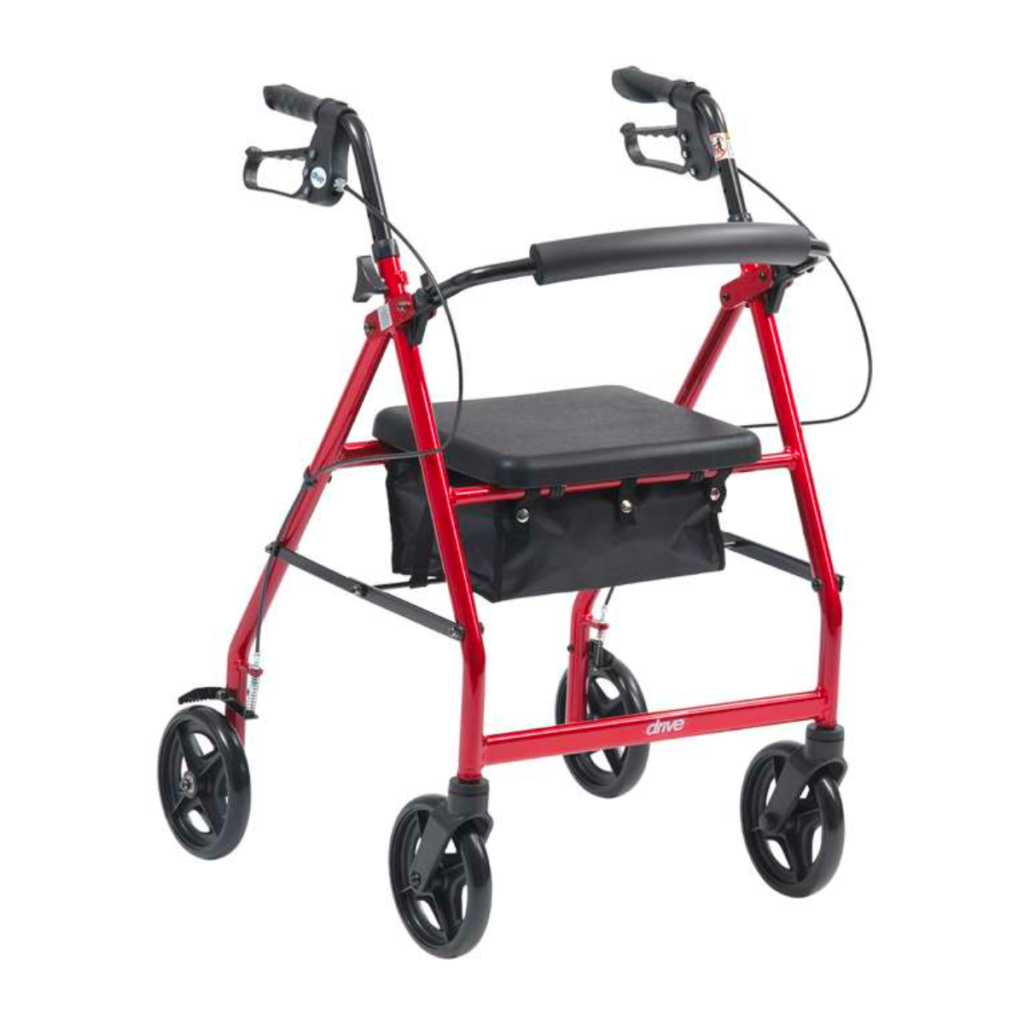
A rollator is a wheeled walking aid designed to provide support, balance, and stability while walking. Unlike traditional walking frames that need to be lifted with each step, rollators feature wheels that allow users to move more naturally and with less effort.

Most rollators include:

  • Four wheels for smooth movement
  • Hand brakes for safety and control
  • Ergonomic handles
  • A built-in seat for resting
  • A storage bag or basket for personal belongings

Because they combine mobility support with convenience, rollators are often recommended for individuals who can walk independently but require additional balance or stability assistance.

Who Can Benefit from Using a Rollator?

Rollators are commonly used by people who experience:

  • Reduced mobility due to ageing
  • Arthritis or joint pain
  • Balance issues
  • Parkinson’s disease
  • Multiple sclerosis (MS)
  • Stroke recovery
  • Post-operative rehabilitation
  • General weakness or fatigue

They can also benefit anyone who finds walking long distances challenging but wishes to remain active and independent.

Rollator vs Walking Frame: What’s the Difference?

Many people confuse rollators with traditional walking frames, but there are some key differences.

Walking Frame

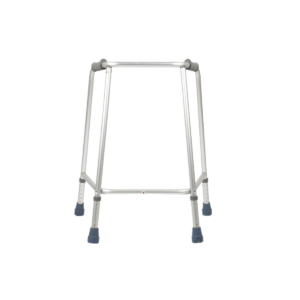
  • Usually has no wheels or only two front wheels
  • Must be lifted and moved forward during use
  • Provides maximum stability
  • Is often suitable for individuals requiring significant support
Days Adjustable Height Walking Frame

Rollator

  • Features three or four wheels
  • Moves smoothly without lifting
  • Allows a more natural walking pace
  • Includes brakes and a seat
  • Is ideal for users who need support but can still walk independently
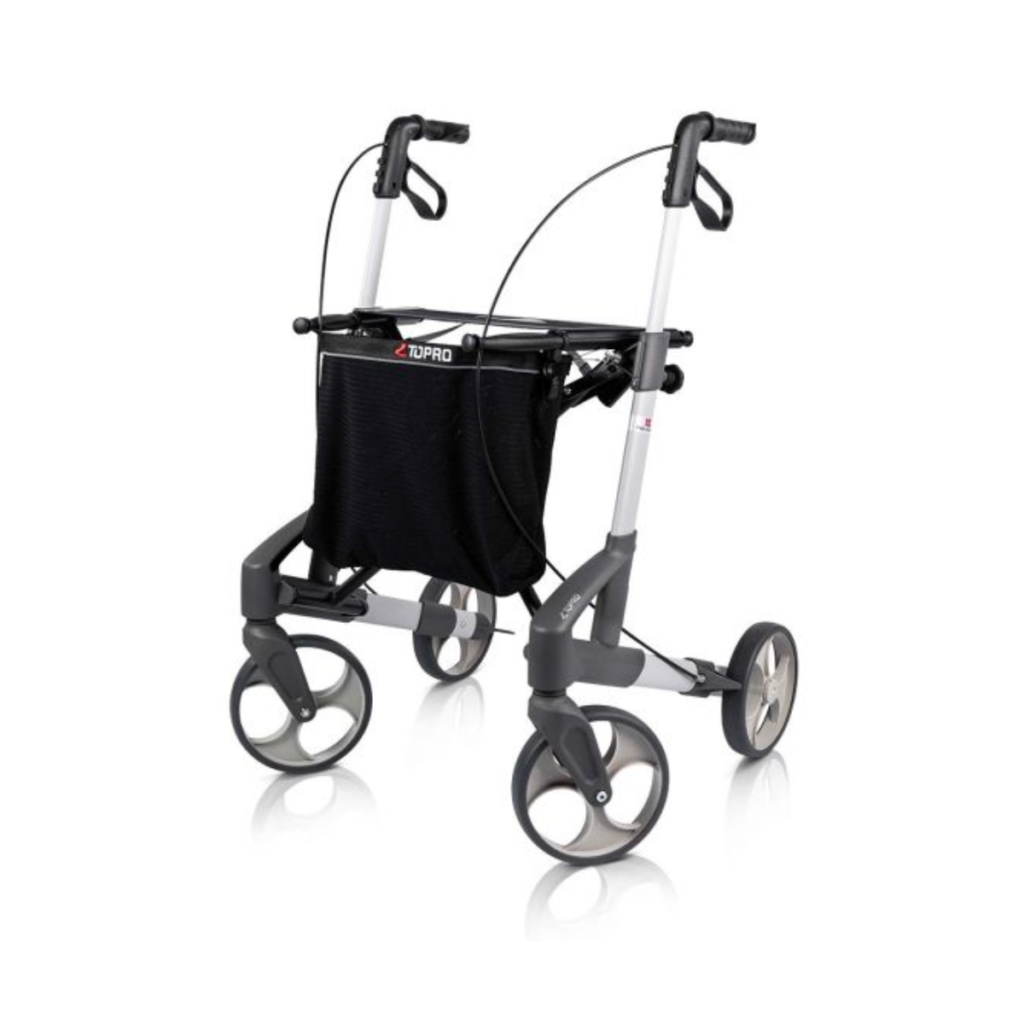
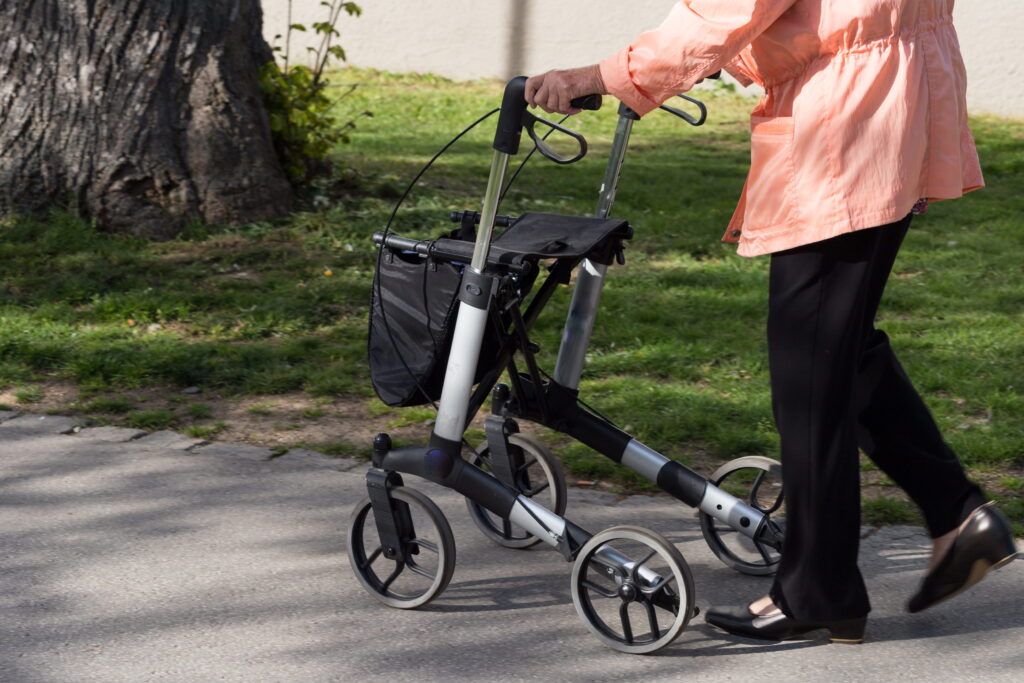
Topro Troja Rollator

For many users, a rollator offers greater comfort and freedom while maintaining essential safety features.

Key Benefits of Using a Rollator

Improved Independence

A rollator allows users to move around more confidently without constantly relying on assistance from family members or carers.

Better Mobility

The wheeled design makes walking easier and less physically demanding compared to traditional frames.

Built-In Resting Seat

Many users appreciate having a seat available whenever they need a break, particularly during shopping trips, walks, or days out.

Enhanced Safety

Hand-operated brakes provide control when stopping, sitting down, or navigating slopes and uneven surfaces.

Convenient Storage

Most rollators include a basket, pouch, or bag for carrying shopping, medication, personal items, or mobility essentials.

Types of Rollators Available

Choosing the right rollator starts with understanding the different types available.

Standard Four-Wheel Rollators

The most common option, suitable for everyday indoor and outdoor use.

Lightweight Rollators

Designed for easy transportation and storage, making them ideal for travel and car journeys.

Heavy-Duty Rollators

Built with reinforced frames and higher weight capacities for additional durability and support.

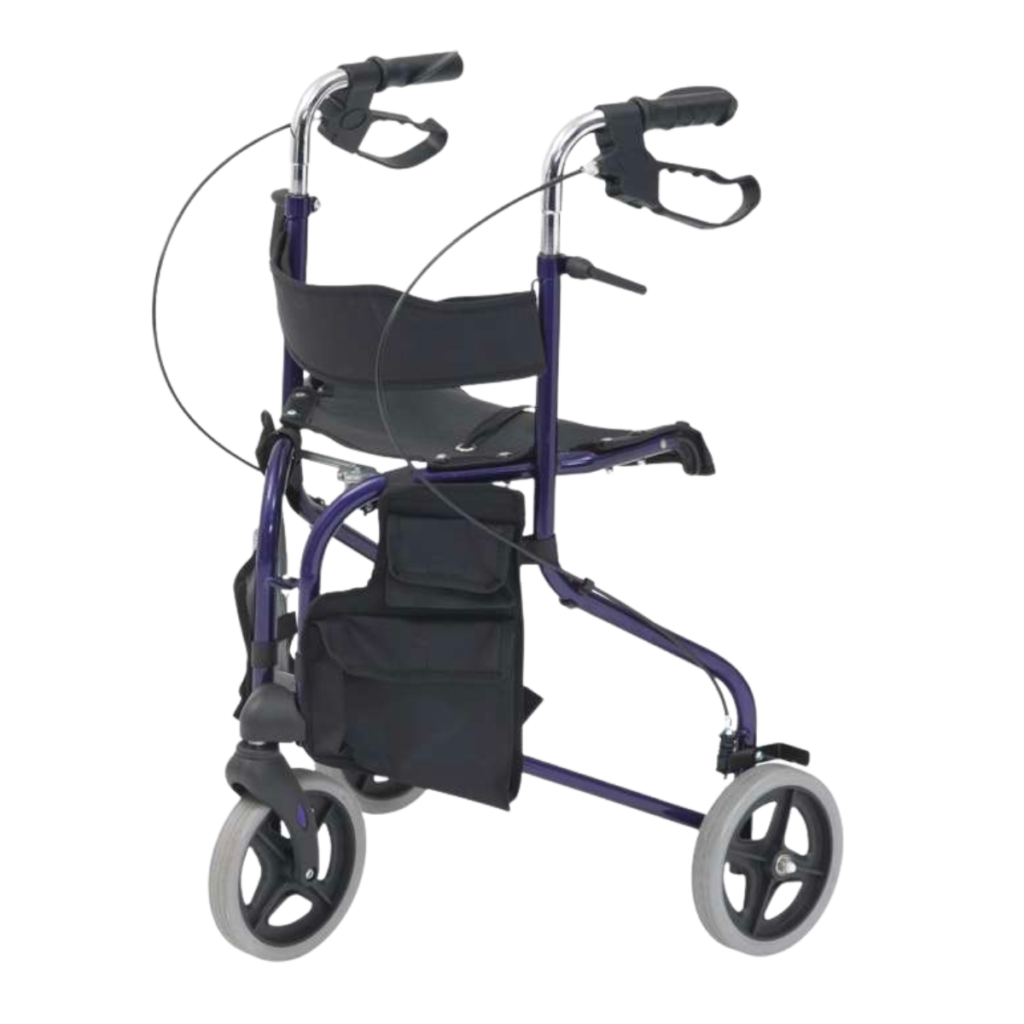
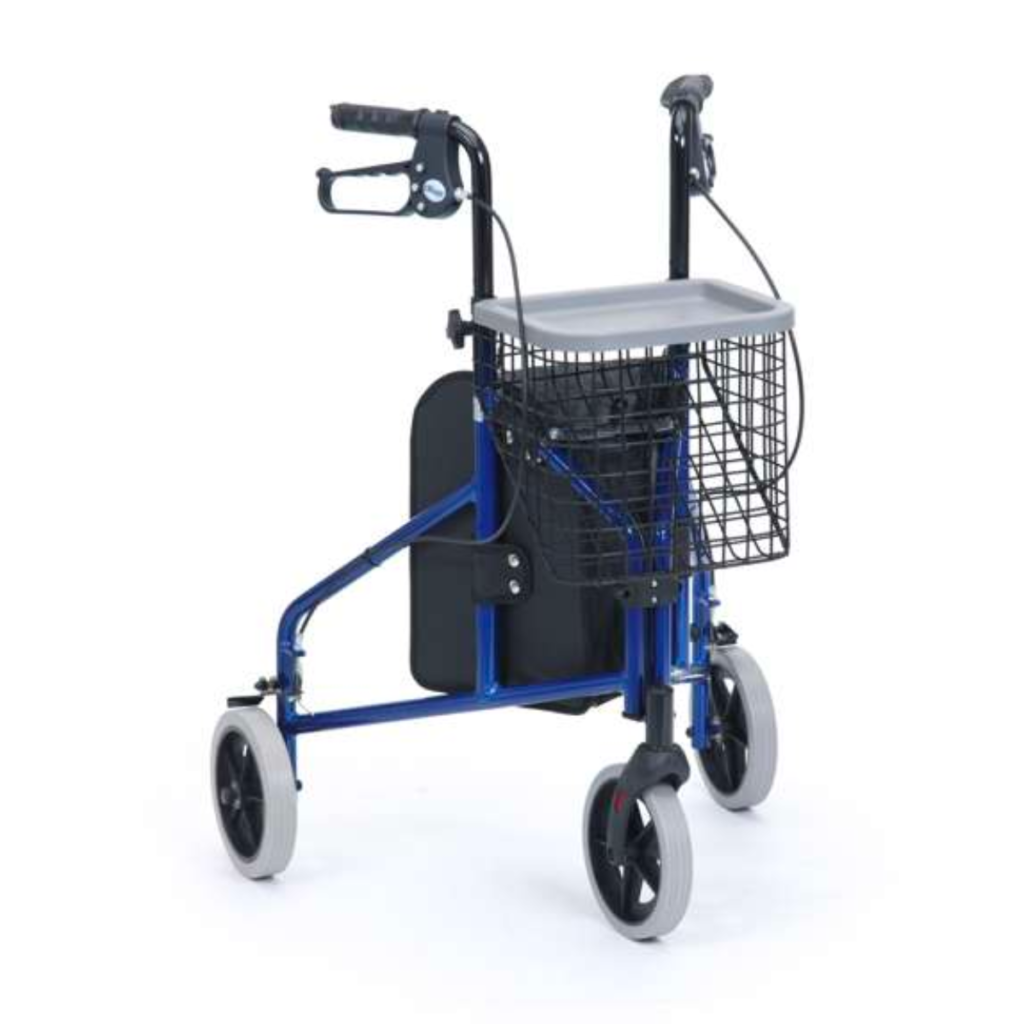
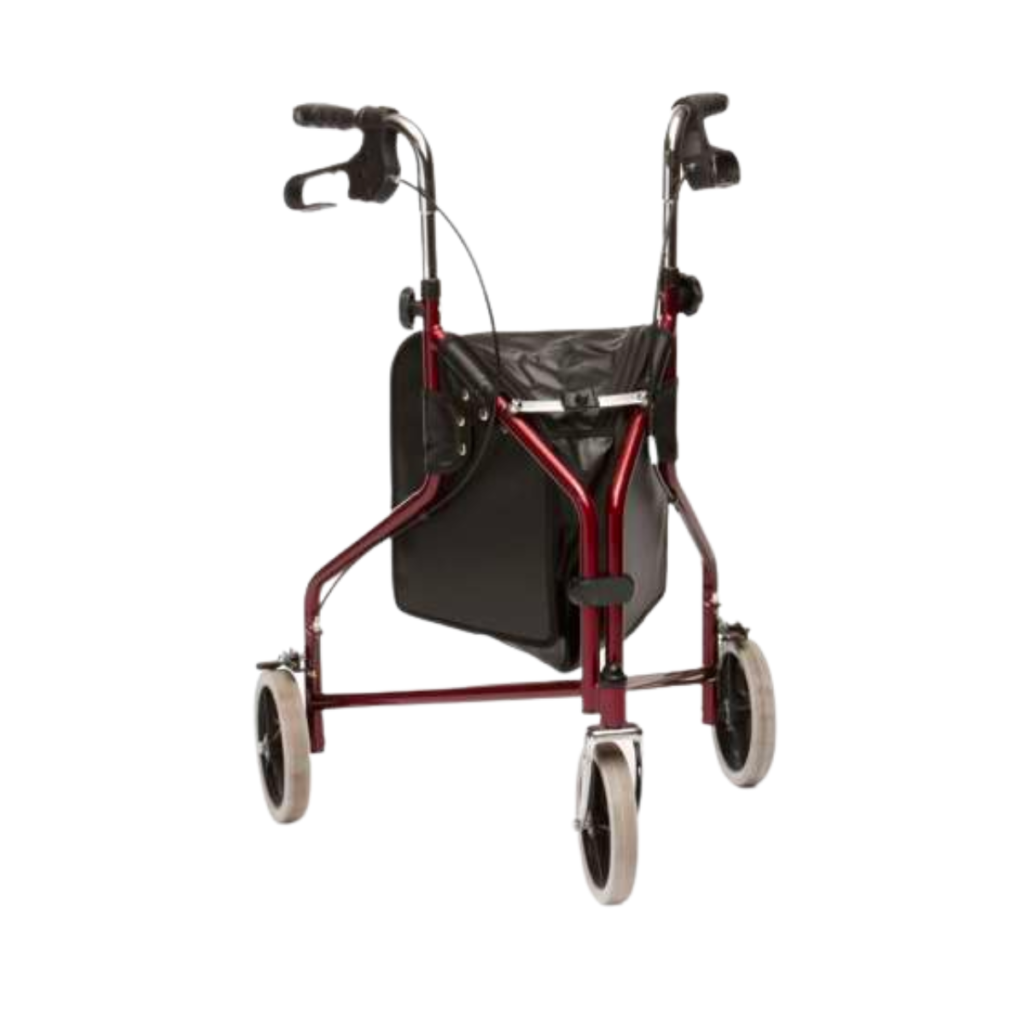
Three-Wheel Rollators

More compact and manoeuvrable, making them useful for navigating smaller indoor spaces.

Outdoor Rollators

Feature larger wheels designed to handle uneven terrain, pavements, parks, and countryside paths more comfortably.

Foldable Rollators

Designed for convenience and portability, they can be easily collapsed for storage or transport, making them ideal for users who travel frequently or have limited storage space at home.

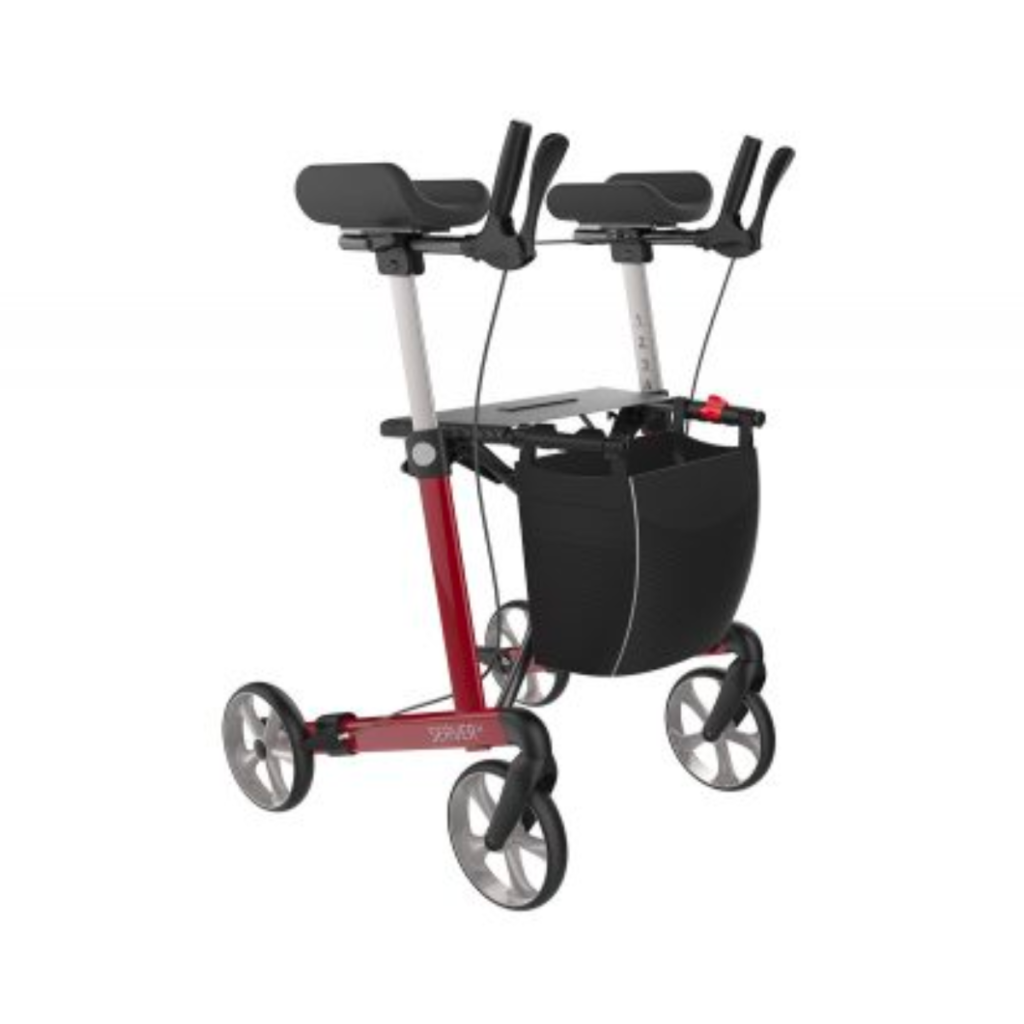
Forearm Rollators

Designed for users who require additional upper-body support. Instead of standard hand grips, they feature padded forearm rests that help distribute weight more evenly. 

What to Consider Before Buying a Rollator

User Height

The handle height should be adjustable to allow comfortable walking without bending or straining.

Weight Capacity

Always check the manufacturer’s recommended weight limit to ensure the rollator provides safe support.

Indoor or Outdoor Use

Consider where the rollator will be used most frequently. Larger wheels generally perform better outdoors, while compact models may be better suited to indoor environments.

Portability

If the rollator will be transported regularly, look for a lightweight, foldable model that can fit easily into a car boot.

Seat Comfort

If regular rest breaks are needed, choose a rollator with a padded seat and supportive backrest.

Braking System

Reliable brakes are essential for safe use, particularly on inclines and uneven surfaces.

How to Use a Rollator Safely

To maximise safety and comfort:

  • Adjust the handles to the correct height.
  • Keep both hands on the handles while walking.
  • Engage the brakes before sitting down.
  • Lock the brakes when stationary.
  • Avoid carrying excessive weight in storage compartments.
  • Regularly inspect wheels and brakes for wear.

If you’re unsure whether a rollator is suitable, seek advice from a healthcare professional, occupational therapist, or mobility specialist.
Frequently Asked Questions

Is a rollator better than a walking stick?

A rollator generally provides greater stability and support than a walking stick. However, the best option depends on the individual’s mobility needs and level of balance.

Yes. Many rollators are specifically designed for outdoor use and feature larger wheels that can handle pavements, paths, and uneven surfaces.

Most four-wheel rollators include a built-in seat, although some lightweight or compact models may vary.

Many people use rollators during rehabilitation following surgery, particularly after hip, knee, or joint procedures. Always follow the advice of your healthcare provider.

With proper maintenance and regular servicing, a quality rollator can provide many years of reliable use.

Finding the Right Rollator for Your Needs

A rollator can make a significant difference to daily life by improving mobility, increasing confidence, and supporting independent living. With a wide range of styles and features available, taking the time to understand your needs will help you choose the right model.

At Comfort Homecare, we offer a carefully selected range of mobility aids designed to enhance comfort, safety, and independence. If you’re unsure which rollator is best for you, our friendly team is always available to provide expert advice and guidance.